
The People Who Were Left Behind
The Deer KingDisplaced settlers and conquered communities each carry grief from policies that others call practical, complicating any clean division between victim and aggressor.
increasing Bearing strength in each event
 decreasing
Bearing strength in each eventdecreasingA Settler’s Resentment
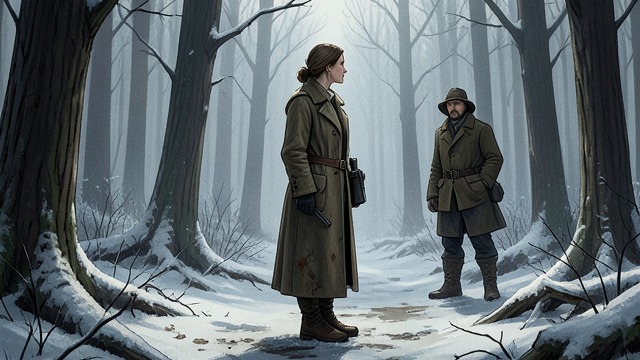
The Cost of Resettlement
Forced distance from home
Nohmeh longs to return to her homeland and resents being left in a place where she feels unwelcome. Her harshness grows from an exile she did not choose.
Sympathy without absolution
Hohsalle recognizes the pain behind her anger without erasing the harm experienced by local people. The scene refuses to make suffering exclusive to one side.
A Mountain Clan’s Exclusion
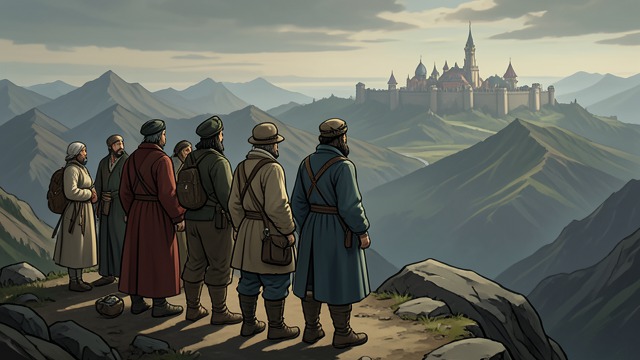
Conquest Below the Battlefield
Unequal citizenship
The clans of Toga are not treated like the Aquafaese, despite protecting the kingdom’s borders. Their status leaves them vulnerable to relocation and loss of home.
Resistance as a response
The Lone Antlers’ campaign emerges from this political exclusion. The story places violent resistance within a structure created by imperial policy, rather than treating it as an isolated choice.
A Province Made of Histories
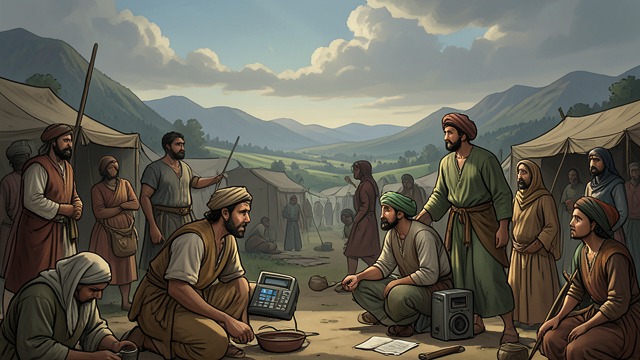
No Single Innocent Story
Interlocking harms
Immigrant settlement, the exile of the Ahfal Oma, the Oki’s economic pressure, and Zolian rule all shape the landscape in which disease appears.
Political memory persists
People inherit grievances along with food practices, occupations, and family ties. The crisis cannot be understood solely as a medical problem without confronting the histories that determine who trusts whom.
During Hohsalle’s winter journey
During Zol’s annexation
During the disease investigation
